A repayment that once felt manageable can become difficult when it sits alongside credit cards, personal loans, car finance and overdue bills. Knowing how to consolidate mortgage debts can help you simplify those commitments into one facility, but it should reduce pressure without quietly making your debt more expensive over time.
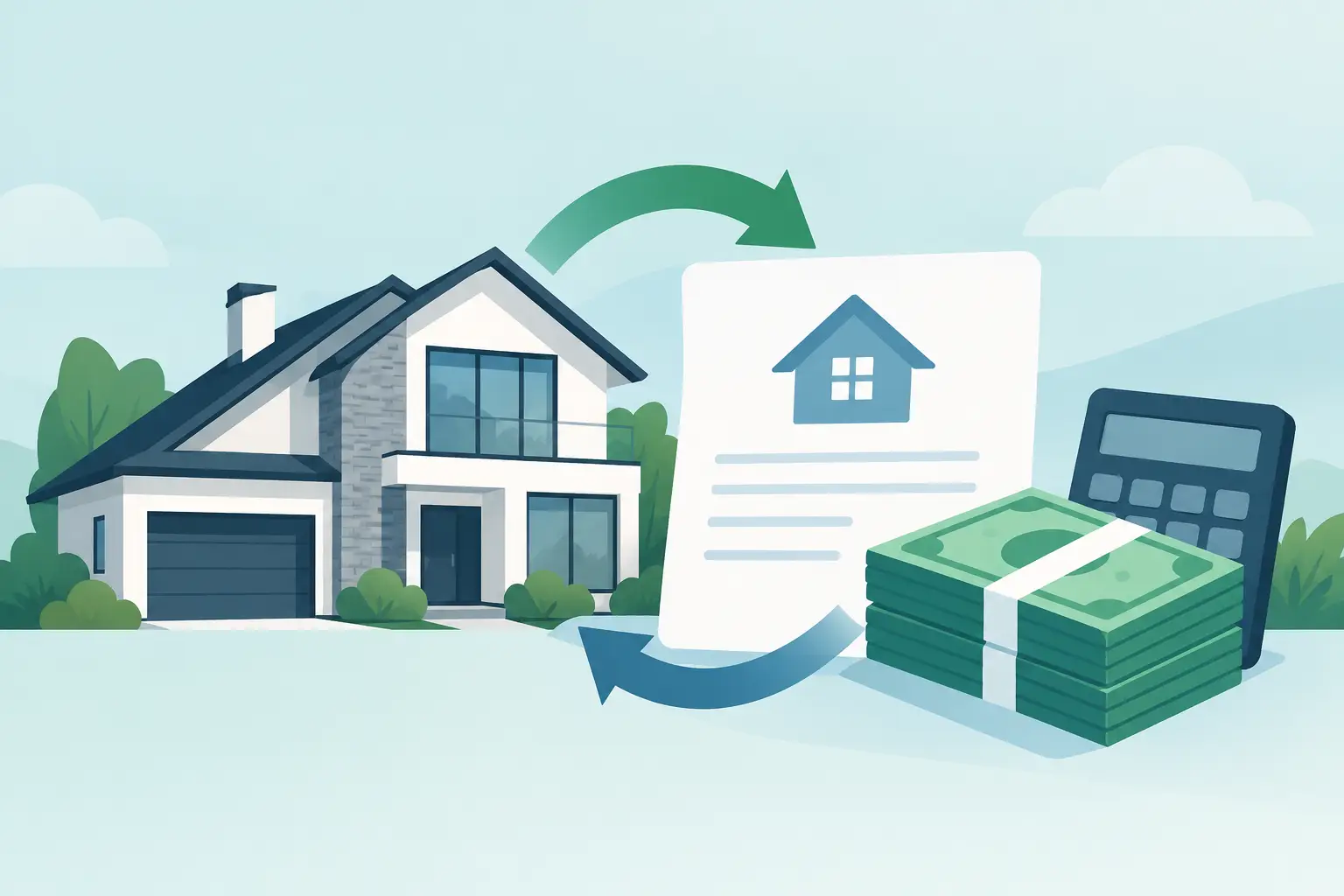
For many Australians, consolidation happens through a refinance. You replace your current home loan with a new loan that is large enough to pay out the existing mortgage and selected debts. The new loan is secured against property, which can mean a lower rate than unsecured debt. It also means the property is at risk if repayments are not maintained, so the structure needs careful thought.
What mortgage debt consolidation actually does
Debt consolidation does not make debt disappear. It changes where the debt sits, how much interest applies and how long you have to repay it. Rather than sending separate payments to several lenders each month, you may have one home-loan repayment and one account to manage.
A common example is a homeowner with a $450,000 mortgage, $25,000 in credit cards and a $20,000 personal loan. If their property value and servicing position allow it, they may refinance to a $495,000 loan plus eligible fees. The credit cards and personal loan are paid out at settlement, leaving one secured loan.
This can improve monthly cash flow because mortgage terms are often much longer than personal-loan terms. That is helpful if you need breathing room after a period of reduced income, business disruption or high household expenses. The trade-off is significant: spreading short-term debt across 20 or 30 years can increase the total interest paid unless you make extra repayments or choose a shorter payoff strategy.
Start with the numbers, not the advertised rate
Before applying, identify every debt you want to clear. Obtain current payout figures for your mortgage, personal loans, car loans and credit cards. Check whether any loan has break costs, early repayment fees or a fixed-rate component. A credit-card balance is straightforward, but some debts, including tax liabilities and buy now, pay later accounts, can need more careful assessment.
Next, work out the likely loan-to-value ratio, or LVR. Divide the proposed new loan amount by a realistic property value. For example, a $600,000 loan against a property worth $800,000 is a 75% LVR. Generally, a lower LVR opens up more lender options and may reduce pricing, although specialist lenders can consider higher-LVR scenarios for eligible borrowers.
Do not rely only on a repayment calculator. Ask what the loan costs at the lender’s assessment rate, what the monthly repayment will be at the actual rate, and how much interest you would pay if the consolidated amount stayed in the mortgage for its full term. A facility that looks cheaper each month may not be cheaper overall.
Choose the right consolidation structure
The best structure depends on your equity, income, credit file and reason for consolidating. A straightforward refinance may suit a borrower with stable PAYG income, good repayment conduct and sufficient equity. If you are self-employed, have recently returned to work, receive overseas income or have had a credit issue, the lender pathway may be different.
Refinance and increase the loan
This is the usual approach when you have enough usable equity. The new lender pays out the existing mortgage and approved liabilities at settlement. It can be suitable for consolidating credit cards, personal loans and other consumer debts where the purpose is clear and repayments are affordable.
Lenders will normally require statements showing the balances and repayment history. They also look closely at whether the debts will actually be closed. Leaving a paid-out credit card open with a high limit can affect servicing, and it may put you back in the same position later.
Keep the consolidated amount separate
Where possible, consider placing the debt-consolidation portion in a separate split or loan account. Your original home loan remains identifiable, while the consolidated debt has its own balance and repayment target.
This can make it easier to pay the debt down faster. For instance, you might set the split over five or seven years rather than allowing it to drift across the remaining 25 years of the mortgage. Not every product offers the same flexibility, so this is worth discussing before you sign.
Consolidate as part of a broader refinance
Sometimes debt is only one part of the problem. You may also be coming off a high-rate loan, exiting a lender that no longer suits your circumstances, or looking to release cash flow while your business stabilises. In that case, consolidation should be assessed alongside the whole loan position rather than treated as a quick fix.
A broker can compare the rate, fees, features, LVR and credit policy together. The lowest advertised rate is not always available to borrowers with adverse credit, alternative income evidence or a recent change in employment. A loan that accepts your actual circumstances and provides a workable path forward can be more valuable than an unrealistic bank application that is declined.
Documentation lenders are likely to assess
The paperwork required depends on the lender and your employment type, but clear evidence gives your application the best chance. PAYG borrowers commonly provide payslips, bank statements, an employment letter where needed and details of all liabilities.
Self-employed applicants may use personal and business tax returns, notices of assessment, BAS statements, accountant-prepared financials and business bank statements. Some alternative-documentation lenders can assess income using BAS or bank statements where full financials do not reflect current trading, but the loan terms, rate and maximum LVR may differ.
Lenders also review transaction statements to understand spending, direct debits and repayment conduct. This is not about judgement. It is about showing that the proposed new repayment is sustainable after normal living costs and existing commitments are considered.
If you have missed repayments, defaults, a discharged bankruptcy or a completed Part 9 debt agreement, do not assume consolidation is impossible. Specialist lenders may consider these circumstances, particularly where the event is explained, time has passed and your recent conduct is stronger. The available loan amount and LVR will depend on the details, property security and servicing evidence.
Avoid the common consolidation traps
Consolidation works best when it is paired with a repayment plan. Paying out a credit card and then rebuilding the balance defeats the purpose. Reducing limits, closing unused accounts or keeping only one low-limit card can provide useful guardrails.
It is also wise to avoid rolling every expense into the mortgage. A one-off personal loan used for an essential expense may be appropriate to consolidate. Repeated living-cost shortfalls, ongoing business losses or unpaid tax obligations may point to a broader cash-flow problem that needs to be addressed before more property equity is used.
Be cautious about extending the loan term automatically. If your household budget allows it, keep repayments above the minimum or direct extra funds to the consolidation split. Even a modest additional repayment can materially reduce interest and shorten the payoff period.
Finally, factor in all refinance costs. Discharge fees, application fees, valuation fees, government charges and lenders mortgage insurance at higher LVRs can affect the outcome. A proper comparison considers these costs alongside the interest rate and monthly repayment.
A practical path for complex borrowers
If a major bank has declined your refinance, the issue may be policy rather than a lack of ability to repay. Banks often use narrow rules around credit events, self-employed income, employment history and debt-to-income levels. That does not mean every specialist option will be right, but it does mean there may be lenders with a more suitable assessment process.
Finance Me can assess the property, liabilities, income evidence and credit position before identifying an appropriate lender pathway. The aim is not simply to add debt to your home loan. It is to create a repayment structure you can maintain, with clear expectations about rates, fees, LVR and the documentation required.
A well-structured consolidation can give you one manageable repayment and a defined plan to rebuild financial control. The most helpful next step is to gather your loan statements, confirm your property estimate and seek an assessment before making another application that may not fit your circumstances.