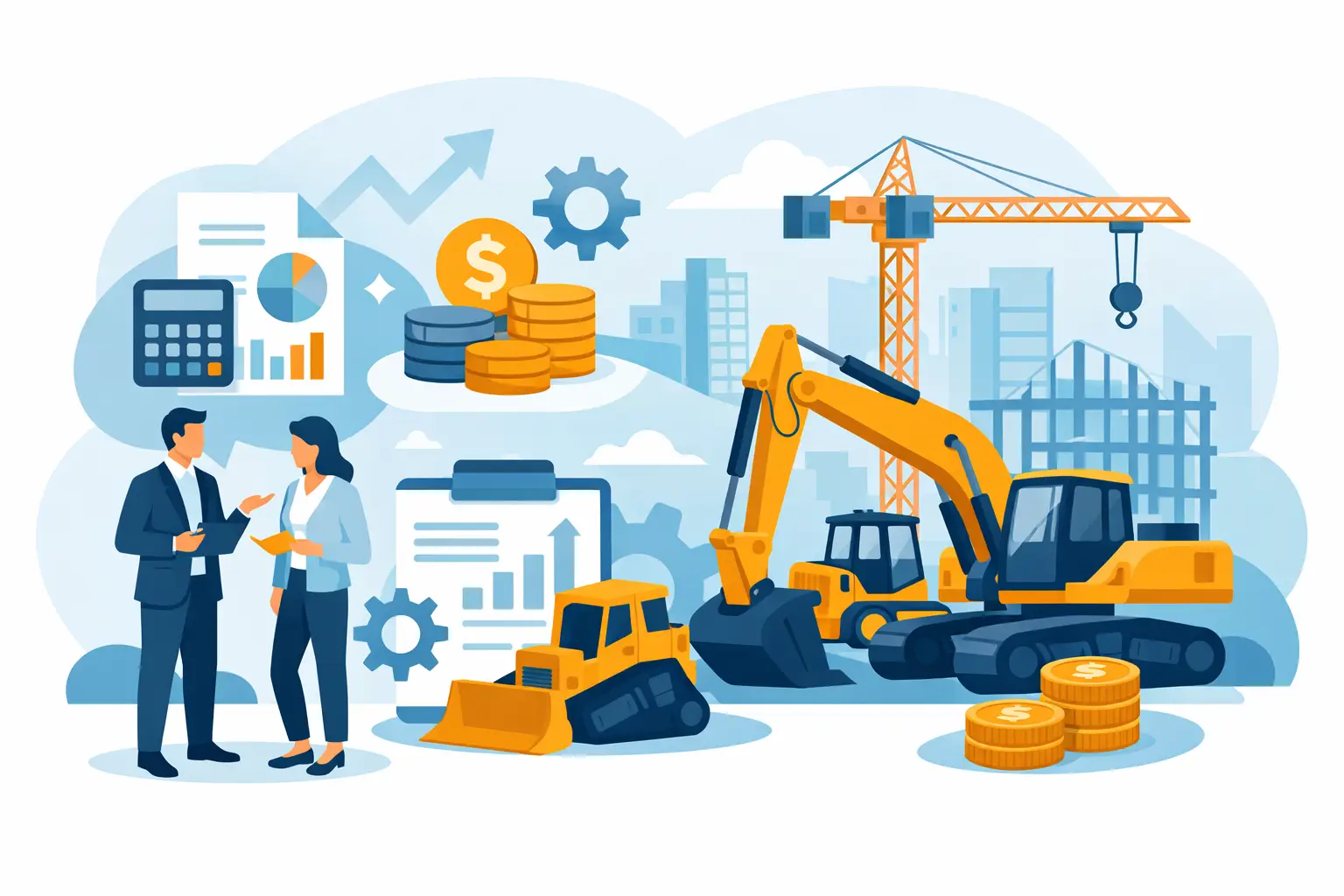
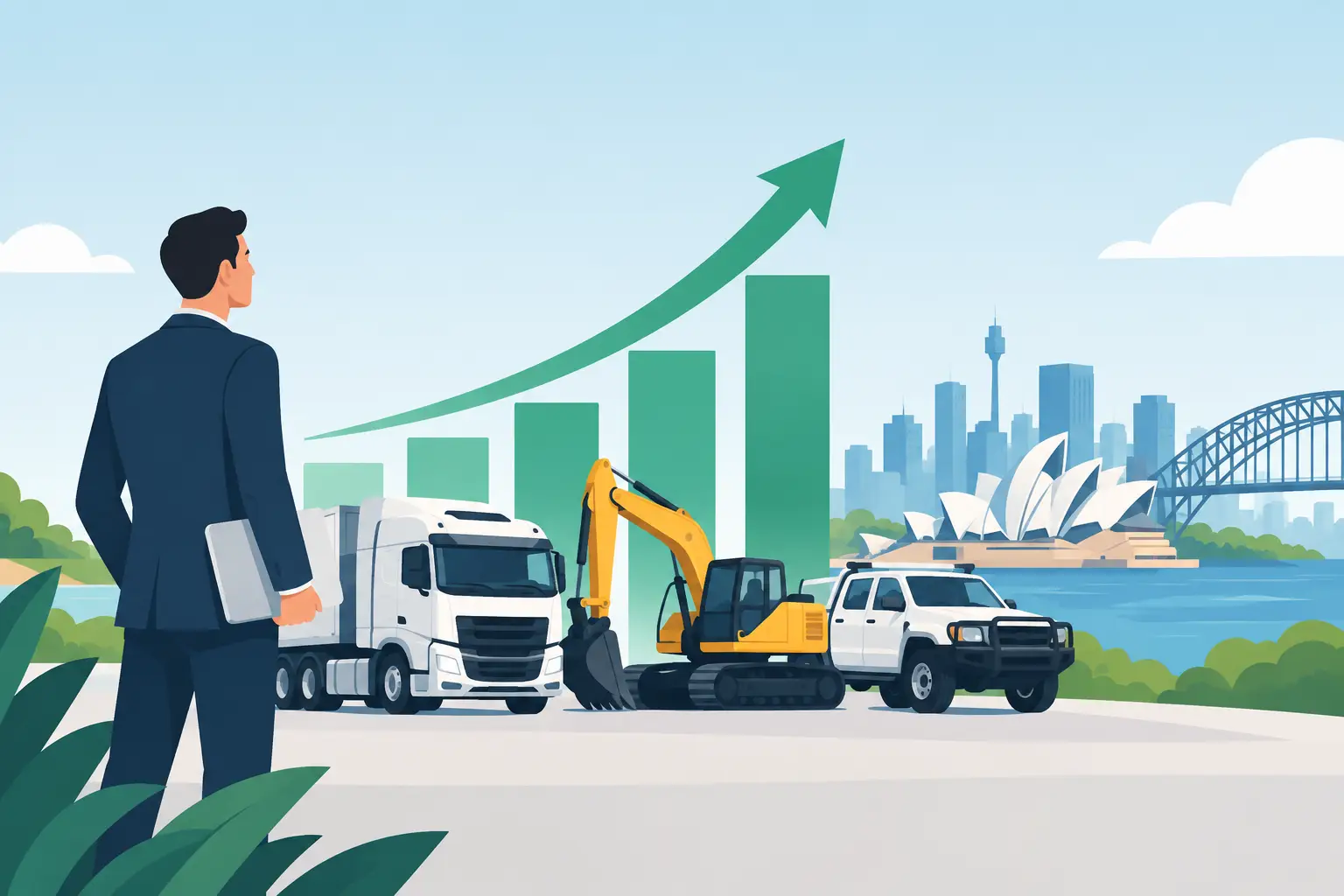
A breakdown on the side of the road, a machine that cannot keep up with new orders, or a ute that is costing more in repairs than it earns can put real pressure on a business. Asset finance gives Australian businesses a way to purchase the vehicles, equipment and machinery they need without paying the full cost upfront from cash flow.
For many business owners, the challenge is not whether the asset makes commercial sense. It is meeting a mainstream lender’s narrow rules around credit history, income evidence, time in business or recent financial changes. A specialist finance pathway can consider the bigger picture, including the asset being purchased, your trading position and the documents available to support the application.
What is asset finance?
Asset finance is business funding used to acquire a tangible asset, such as a car, truck, trailer, excavator, medical device, manufacturing machine or office equipment. The asset usually provides security for the loan or lease arrangement, which can make it more accessible than an unsecured business loan in some circumstances.
Rather than tying up capital in one large purchase, you make regular repayments over an agreed term. This can help preserve funds for wages, stock, fuel, rent, tax obligations and the day-to-day costs of running the business.
The right structure depends on what you are buying, how long you expect to use it and whether you want to own it at the end of the term. It also depends on the lender’s credit policy. There is no single best option for every borrower.
Common asset finance options
A chattel mortgage is a popular option for businesses purchasing an asset they intend to own. The borrower takes ownership from the start, while the lender holds a mortgage over the asset until the facility is repaid. This structure may suit a business buying a work vehicle, plant or equipment and wanting to claim eligible GST and depreciation benefits. Your accountant can advise on the tax treatment for your circumstances.
A finance lease allows the lender to purchase the asset and lease it to the business for fixed payments. At the end of the term, there may be options to pay a residual, refinance it, return the asset or upgrade, depending on the agreement.
A hire purchase arrangement is another way to spread the cost of an asset while using it in the business. Ownership generally transfers after the final payment is made. Some lenders also offer operating leases for assets that become obsolete quickly or are likely to be replaced regularly.
For smaller purchases, a business car loan or equipment loan may be the simplest structure. For larger or specialised assets, the lender may look more closely at resale value, age, condition and the strength of the business using it.
Why cash flow matters as much as the rate
It is understandable to focus on the advertised interest rate, but the lowest rate is not always the most workable finance solution. A cheaper facility with a large deposit, short term or strict financial requirements may place more strain on a growing business than a slightly different structure with manageable repayments.
Consider the full commercial picture: the deposit required, loan term, balloon or residual payment, fees, repayment frequency and whether the asset will generate income quickly enough to support the commitment. A balloon can reduce monthly repayments, for example, but it leaves a larger amount to pay or refinance at the end of the term.
It is also worth checking whether repayments can be aligned with your cash flow. A contractor paid monthly may prefer monthly repayments, while a business with seasonal income may need a structure that recognises quieter periods. Not every lender will offer the same flexibility.
Asset finance when you do not fit bank policy
A bank decline does not always mean the purchase is unaffordable or that asset finance is unavailable. It may mean the application does not fit that lender’s policy at that point in time.
This is particularly relevant for self-employed borrowers, new businesses, company directors and applicants with adverse credit. A missed payment, default, Part 9 debt agreement, discharged bankruptcy or low credit score can reduce mainstream options, but specialist lenders may assess the reason for the event, how long ago it occurred and the evidence of financial recovery since then.
Lenders may also consider applications where traditional financial statements do not fully reflect a business’s current position. Depending on the loan size, asset type and lender, alternative income evidence may include BAS statements, business bank statements, invoices, contracts, accountant-prepared figures or evidence of work in the pipeline.
That does not mean documentation no longer matters. Specialist lending still involves an assessment of affordability and risk. The difference is that the assessment can be better matched to a non-standard business or credit profile instead of relying on one rigid checklist.
What lenders are likely to assess
The asset itself is an important part of the decision. New, well-known vehicles and equipment with an established resale market are often easier to finance than older, highly customised or unusual machinery. The purchase price, supplier details, GST treatment and whether the asset is being bought privately or through a business entity all matter.
Lenders will also look at your capacity to make repayments. For an established business, this may involve turnover, bank statements, BAS statements, financials and existing debt commitments. For a sole trader or director, personal credit conduct can still be relevant, even where the asset is for business use.
Time in business is another common consideration. Some lenders prefer two years of trading history, while others may consider newer businesses if there is a strong deposit, relevant industry experience, signed contracts or a clear explanation of projected income. A plumber moving from employment into their own business, for instance, may have a different story from a start-up entering an unfamiliar industry.
Preparing a stronger application
Good preparation can make the process quicker and reduce unnecessary back-and-forth. Before applying, confirm exactly what is being purchased and obtain a formal supplier invoice or quote. Be clear about the purchase price, whether it includes GST, and whether you are contributing a deposit or trade-in.
Gather the documents that show how the business earns and manages money. This may include recent business bank statements, BAS statements, tax returns, financial statements, director identification and details of existing loans. If there has been a credit issue, prepare a concise explanation supported by facts. A lender is more likely to respond constructively when the cause of the issue and the steps taken since are clear.
Avoid submitting multiple applications without a strategy. Repeated credit enquiries in a short period can complicate a file, particularly if your credit history is already impaired. A broker can assess the circumstances first, identify lenders whose policies are more likely to suit and present the application in the right format.
New versus used assets
New assets are often straightforward because their value, warranty and expected useful life are easier for a lender to assess. Used assets can still be financed, but age limits, kilometre limits for vehicles and valuation requirements may apply.
For a used truck, earthmoving machine or piece of specialised equipment, lenders may ask for additional information about its condition, service history and resale value. Buying through a recognised dealer can be simpler than buying privately, although private-sale options are available with some lenders. The key is to raise the intended purchase early so the finance structure matches the asset and supplier.
Getting the structure right before you commit
Do not sign a purchase contract or hand over a non-refundable deposit without understanding your finance position. Approval times vary, and a pre-approval may still depend on the final asset, valuation or supporting documents.
A practical asset finance assessment starts with the purpose of the purchase, the business entity, available deposit, desired repayments and any credit or documentation challenges. From there, the aim is to find a lender and structure that supports the purchase without creating pressure elsewhere in the business.
Finance Me can help business owners who have been declined by a major bank, are self-employed, have non-standard income or need a more considered approach to adverse credit. The right asset should help your business do more work, serve more customers or operate more reliably. A clear assessment before you buy puts you in a stronger position to make that happen.