
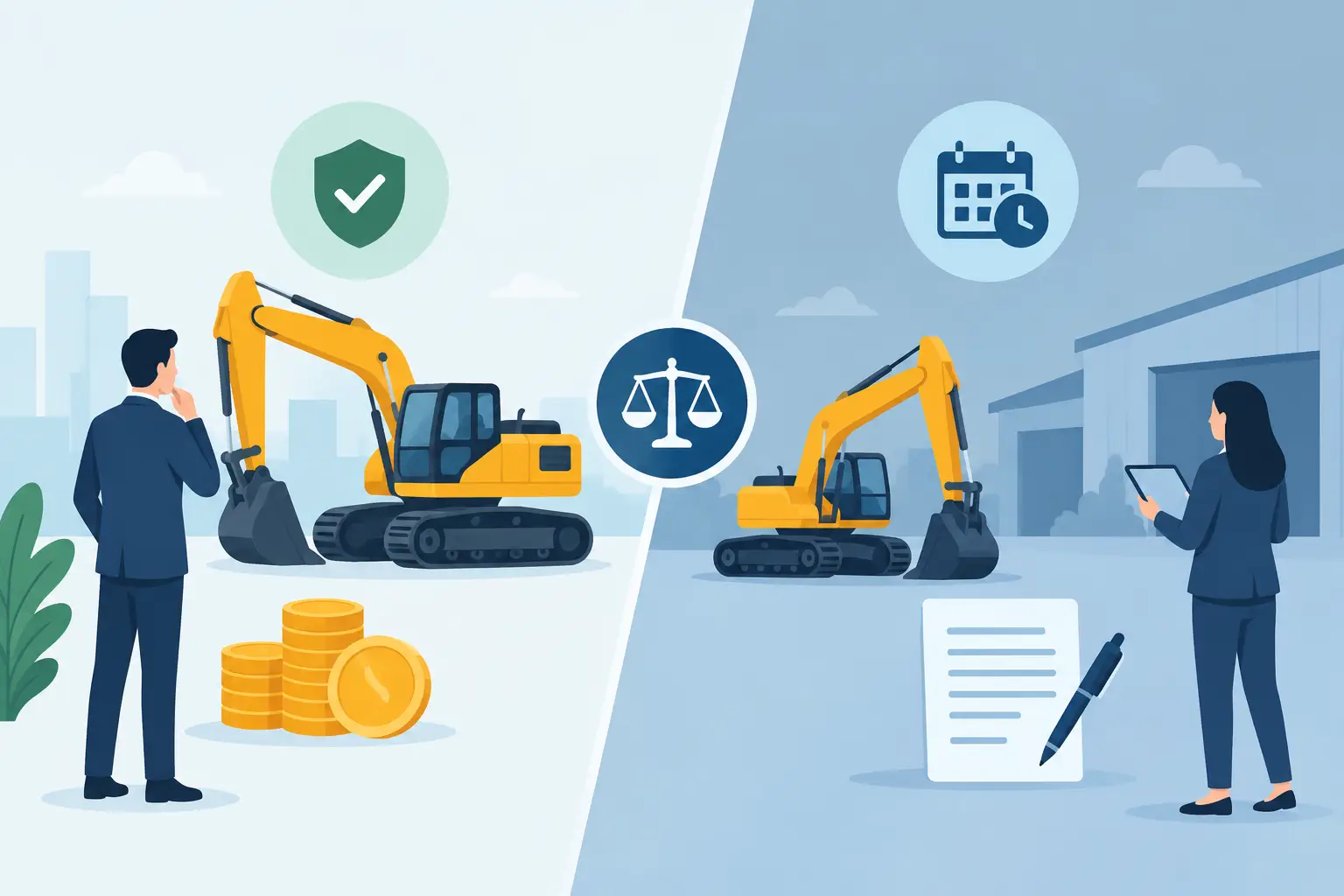
A new ute, excavator, medical machine or production line can help a business take on more work. It can also place real pressure on cash flow if the funding structure does not suit the way you trade. When comparing asset finance versus equipment lease, the key question is not simply which repayment looks lower. It is whether you need to own the equipment, preserve working capital, replace it regularly, or manage an irregular income pattern.
For Australian business owners, contractors and company directors, the right answer depends on the asset, your tax position, the term you expect to use it and the documentation you can provide. A specialist lender may also take a more practical view where your credit history, employment history or income evidence does not fit a major bank’s policy.
Asset finance versus equipment lease: the real difference
Asset finance is a broad term for funding that helps a business buy or use an income-producing asset. It can cover vehicles, trailers, yellow goods, trucks, machinery, technology, medical equipment and fit-out assets. The asset generally provides security for the finance, which can make approval more accessible than an unsecured business loan.
An equipment lease is one type of asset finance. Under a lease, the financier purchases the equipment and leases it to your business for an agreed period. Your business pays regular rentals to use it. At the end of the lease, the available options depend on the agreement. You may be able to return the asset, continue leasing it, upgrade it or arrange to purchase it.
That distinction matters. Comparing asset finance with an equipment lease is often really a comparison between ownership-focused structures, such as a chattel mortgage or hire purchase arrangement, and a use-focused leasing arrangement. The product names and end-of-term choices vary between lenders, so the contract needs to be read carefully before signing.
When owning the asset makes more sense
A chattel mortgage is a common asset finance option for businesses that want ownership from the outset. The business buys the equipment, while the lender takes security over it until the loan is repaid. This can suit assets you expect to keep for a long time, such as a delivery van, plant machinery or specialist trade equipment.
Because you own the asset, you can generally make decisions about its sale or replacement, subject to the lender’s security interest while the loan remains outstanding. Repayments may be structured with a balloon or residual at the end to reduce monthly commitments, although that means a larger amount will be due later.
Ownership can be attractive where the asset has a useful life beyond the finance term and you want to build business equity in it. A plumber buying a ute fitted with tools, for example, may prefer to own it and use it well beyond the final repayment. The same can apply to equipment that is highly tailored to your operation and difficult to replace or resell.
There are trade-offs. A larger deposit can reduce repayments but uses cash that might otherwise fund wages, stock or BAS obligations. A balloon can assist monthly cash flow but requires a clear plan for payout, refinancing or sale. You also carry the risk that the asset loses value faster than expected.
When an equipment lease may be the better fit
An equipment lease can suit businesses that need the use of an asset without making ownership the priority. It is often worth considering where technology changes quickly, the asset will be replaced at regular intervals, or preserving cash is more valuable than holding the equipment on the balance sheet.
For example, a medical practice may need diagnostic equipment that will be superseded within a few years. A lease can provide a defined usage period and may offer a practical upgrade path at the end of the term. Likewise, a growing business may lease office technology or manufacturing equipment while it proves demand before committing to ownership.
Lease repayments may be predictable and can sometimes be structured around the business’s trading cycle. However, a lower regular payment does not automatically mean lower overall cost. Check whether there is a residual value, return condition, kilometre or usage restriction, end-of-term purchase amount, documentation fee or early termination cost.
You should also be realistic about wear and tear. If your team uses machinery on demanding worksites every day, returning it in an acceptable condition may be more difficult than returning lightly used office equipment. In that situation, owning the asset could provide greater flexibility.
Cash flow should lead the decision
A funding structure should support the revenue the asset will produce. If a new skid steer will allow you to complete contracted work each week, a fixed repayment can be easier to justify. If you are entering a new market with uncertain demand, retaining cash and limiting the commitment period may be more valuable.
Look beyond the advertised rate or rental. Consider the upfront contribution, monthly or quarterly repayment, GST treatment, insurance, maintenance, registration, expected resale value and any final payment. A business that experiences seasonal income should also ask whether repayments can be timed to better match its cash flow.
For many self-employed borrowers, the challenge is not whether the equipment makes commercial sense. It is showing a lender how the business earns and why the commitment is affordable. This is especially relevant if you have recently started trading, have fluctuating turnover, are paid by contract, or have a credit issue that makes a mainstream bank application difficult.
Tax and GST treatment needs personal advice
Tax outcomes can differ significantly between a lease and an ownership-based structure. In many cases, GST registered businesses may be able to claim GST credits and deductions according to the arrangement and how the asset is used. With a chattel mortgage, the GST treatment may occur upfront, while lease rentals are commonly treated differently over time.
The right approach depends on your entity structure, GST registration, business use percentage and accountant’s advice. Do not choose a finance product solely because someone says it is “tax effective”. The commercial purpose, total cost and end-of-term obligation still need to work for your business.
What lenders will usually assess
The asset itself matters, but lenders also assess the borrower behind it. They may consider the age and type of equipment, supplier invoice, deposit, loan term, business trading history, existing liabilities and credit profile. Newer, readily saleable assets are generally easier to fund than highly specialised or older equipment.
Documentation can include bank statements, BAS statements, financials, tax returns, accountant-prepared figures and identification. Some specialist options may accept alternative income evidence where full financials are not available or do not reflect your current trading position.
Adverse credit does not always prevent asset finance approval. A prior default, paid debt, Part 9 debt agreement or bankruptcy discharge will be assessed differently by different lenders. The dates, amounts, explanation, current conduct and strength of the proposed deal all matter. Being upfront early gives your broker the best chance to place the application with a lender whose policy suits your circumstances.
Questions to ask before accepting either option
Before proceeding, make sure you can answer four practical questions: Who owns the asset during the term? What is the total amount payable, including fees and any balloon or residual? What happens at the end of the agreement? And what would it cost to pay out, refinance or exit early?
Also confirm who is responsible for maintenance, insurance and replacement if the equipment is damaged, stolen or becomes unsuitable. These details are where two similar-looking quotes can become very different commitments.
A good finance structure should let the asset earn its keep without creating a repayment problem six or twelve months later. If your income is non-standard, your credit is recovering or you have been declined elsewhere, Finance Me can assess the asset, your documentation and the available specialist lender options before you commit to a quote that may not suit your business.