
A lender can decline a strong business owner simply because last year’s tax return does not reflect what the business is earning now. That is where alt doc versus full doc becomes more than lending jargon. The right documentation pathway can make the difference between a declined application and a workable finance solution.
For Australian borrowers, particularly self-employed applicants, company directors and people with non-standard income, the question is not which option is universally better. It is which option presents your genuine capacity to repay in a way a suitable lender can assess.
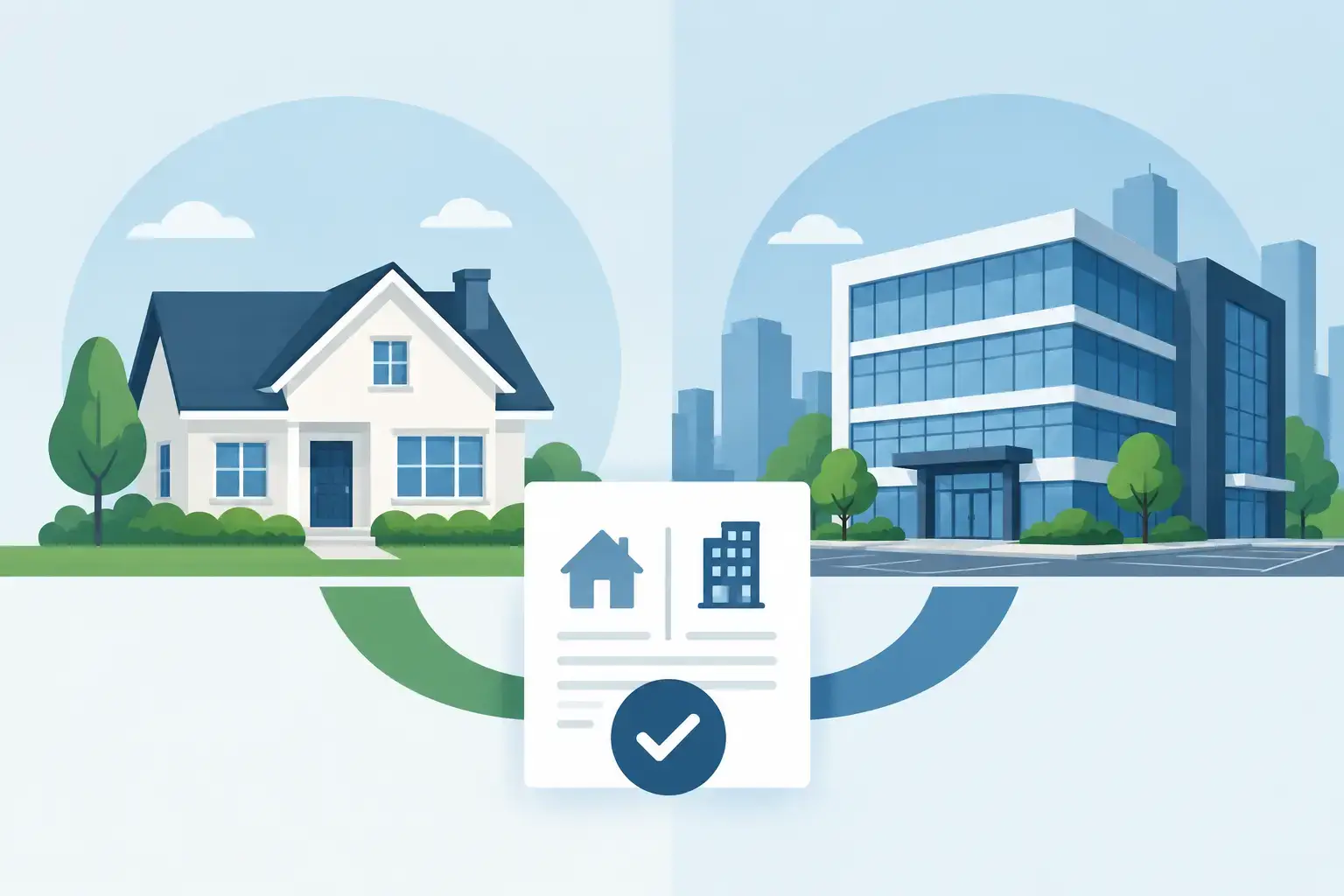
Alt Doc Versus Full Doc: The Key Difference
A full doc loan is assessed using comprehensive, independently verifiable income documents. For an employee, this commonly means recent payslips, group certificates or income statements, employment evidence and tax returns where required. For a self-employed borrower, lenders will usually want personal and business tax returns, notices of assessment and financial statements, often covering the most recent one or two financial years.
An alt doc loan, short for alternative documentation loan, uses other acceptable forms of evidence to verify income. It is not a no-doc loan, and it is not a way to avoid affordability checks. The lender still needs to be satisfied that the proposed repayments are affordable and that the information provided is reasonable.
Depending on the lender and loan purpose, alt doc evidence may include BAS statements, business bank statements, an accountant’s declaration, recent trading figures or an income declaration signed by the applicant. The exact combination matters. A lender may accept one pathway for a self-employed electrician with stable business deposits and take a different view of a new company director with variable income.
The practical difference is timing. Full doc lending often looks backwards through lodged financials. Alt doc lending can give more weight to current trading performance when historical tax documents do not tell the full story.
When Full Doc Finance May Be the Better Fit
Full doc finance is generally the first option worth considering when you have the paperwork available and it accurately demonstrates your income. It can provide access to a broader lender panel, more competitive pricing and, in some cases, more flexible policy settings.
For a salaried applicant with regular income and a clean credit profile, full doc is usually straightforward. The same can apply to a long-established business owner whose tax returns, financials and notices of assessment show stable or growing income. Where the figures support the application, there is little reason to use an alternative documentation pathway simply for convenience.
Full doc can also be useful when you are seeking a larger loan amount, a high loan-to-value ratio, or a sharper rate. Lenders tend to view detailed financial evidence as reducing uncertainty. That does not mean every full doc application is approved. Existing debts, living expenses, credit history, property type, age and the purpose of the loan still affect the decision.
There is a trade-off for self-employed borrowers. Tax planning is legitimate, but deductions and business expenses can reduce taxable income on paper. A business may have healthy cash flow while the income accepted under a full doc calculator is lower than expected. In that situation, an applicant can appear less serviceable than they genuinely are.
When an Alt Doc Loan Can Make Sense
Alt doc lending can be particularly helpful for borrowers whose income is real, regular and supportable, but not yet fully visible in their latest tax returns. This may include a business that has grown quickly, a contractor whose work has increased, or a company director who has recently changed their remuneration structure.
It may also suit applicants who have been self-employed for a shorter period, provided they can show genuine trading activity and meet the lender’s minimum requirements. A borrower who invoices through an ABN, receives consistent deposits into a business account and has up-to-date BAS statements may have a credible alt doc application even if their conventional financials are limited.
Common situations include:
- a self-employed borrower with significant deductions reducing taxable income;
- a business owner whose most recent lodged return is now out of date;
- a contractor or consultant with variable but consistent income deposits;
- a company director paid through a mix of salary, drawings and business profit; and
- an investor refinancing to improve cash flow, consolidate debts or release equity.
Alt doc finance can be used for owner-occupied homes, investment properties, refinancing, debt consolidation and some commercial property transactions. Finance structures, maximum loan sizes and available LVRs vary considerably. Eligible borrowers may access high-LVR options in some circumstances, while larger alt doc residential and commercial facilities can extend to substantial loan amounts where the security, income evidence and overall profile are strong.
The Cost and Risk Trade-Offs
Alternative documentation is not automatically more expensive, but it can be. Because the lender may be assessing income with less conventional evidence, alt doc rates and fees can be higher than a comparable prime full doc loan. The gap depends on the lender, your LVR, credit file, property, loan purpose and the quality of your supporting documents.
That higher cost needs to be considered honestly. If waiting until the next financial year will produce strong full doc evidence and you are not under pressure to buy or refinance, a full doc application may save money over the life of the loan. On the other hand, waiting can carry its own cost. You may miss a property purchase, remain in an unsuitable loan, or continue paying high unsecured debt repayments that are restricting your cash flow.
Credit conduct is another important factor. Some specialist lenders can consider applicants with defaults, past arrears, discharged bankruptcy or a completed Part 9 debt agreement. However, adverse credit does not disappear because an application is alt doc. A lender will consider what occurred, how recently it happened, whether it has been repaid, and whether your current financial position is stable.
The strongest applications are transparent. Trying to overstate income or submit documents that do not match your bank account activity can lead to a decline and may make future finance harder. Alt doc works best when the evidence tells a consistent, credible story.
How Lenders Assess Your Income Evidence
There is no single alt doc rule across the Australian lending market. One lender may accept six months of BAS and business bank statements. Another may require a registered accountant’s confirmation, a minimum time holding an ABN, or evidence that GST registration has been maintained. Some lenders will shade declared income, meaning they assess only a percentage of it for servicing.
A full doc lender also has policy differences. Some use the latest financial year, while others average income over two years or make adjustments for one-off expenses, depreciation and business add-backs. This is why a decline from one bank does not always mean you cannot obtain finance elsewhere.
For both pathways, lenders commonly assess your liabilities, credit report, repayment history, household expenses, dependants, loan term and property security. If you are refinancing, they will also look closely at why you are changing loans and whether the new arrangement improves your position.
For commercial lending, the focus may extend to lease income, business turnover, property type, tenant quality and the purpose of the funds. A commercial alt doc facility is not assessed in exactly the same way as an owner-occupied home loan, even when the same borrower owns both assets.
Preparing for the Right Loan Application
Before applying, gather the documents that best demonstrate how you earn and manage money now. For full doc, that may include tax returns, notices of assessment, financial statements and payslips. For alt doc, current BAS, business bank statements, accountant-prepared documents and clear evidence of regular income are often central.
It also helps to review your credit file before a lender does. Check for unpaid defaults, errors, old credit enquiries or missed repayments. If there has been a difficult period, be ready to explain it plainly and provide evidence of what has changed. A resolved issue with a sensible explanation is very different from unexplained recent arrears.
Avoid making multiple loan applications while you are still working out your options. Numerous credit enquiries in a short period can create unnecessary concern. A specialist broker can assess whether full doc, alt doc, near-prime or another lending pathway is likely to suit before an application is submitted.
Finance Me works with borrowers whose income, credit history or employment structure does not fit a major bank’s standard checklist. The aim is not to force every applicant into alt doc lending. It is to identify the documentation and lender policy that give your application the fairest, most realistic assessment.
Your financial documents should support the life and business you have built, not reduce it to a box that happens to be missing on a bank form. A clear review of your income evidence, credit position and property goals can show whether the next step is an alt doc application, a full doc loan, or a plan to strengthen your position before you apply.