
A bank decline can feel final, particularly when you have found the right home, need to refinance before a fixed rate ends, or want to consolidate debts into one manageable repayment. It is not always final. If you are asking which lending solution should I choose for bad credit approval?, the right answer depends less on a generic credit score and more on the reason for the adverse credit, how long ago it occurred, your current income and the security you can offer.
Bad credit is not one lending category. A paid default from several years ago is assessed differently from an unpaid judgement, a recently discharged bankruptcy, late repayments caused by a short-term setback, or a Part 9 debt agreement. Specialist lenders look at the full picture, including what has changed since the event and whether the proposed loan is affordable now.
Start with the purpose of the loan
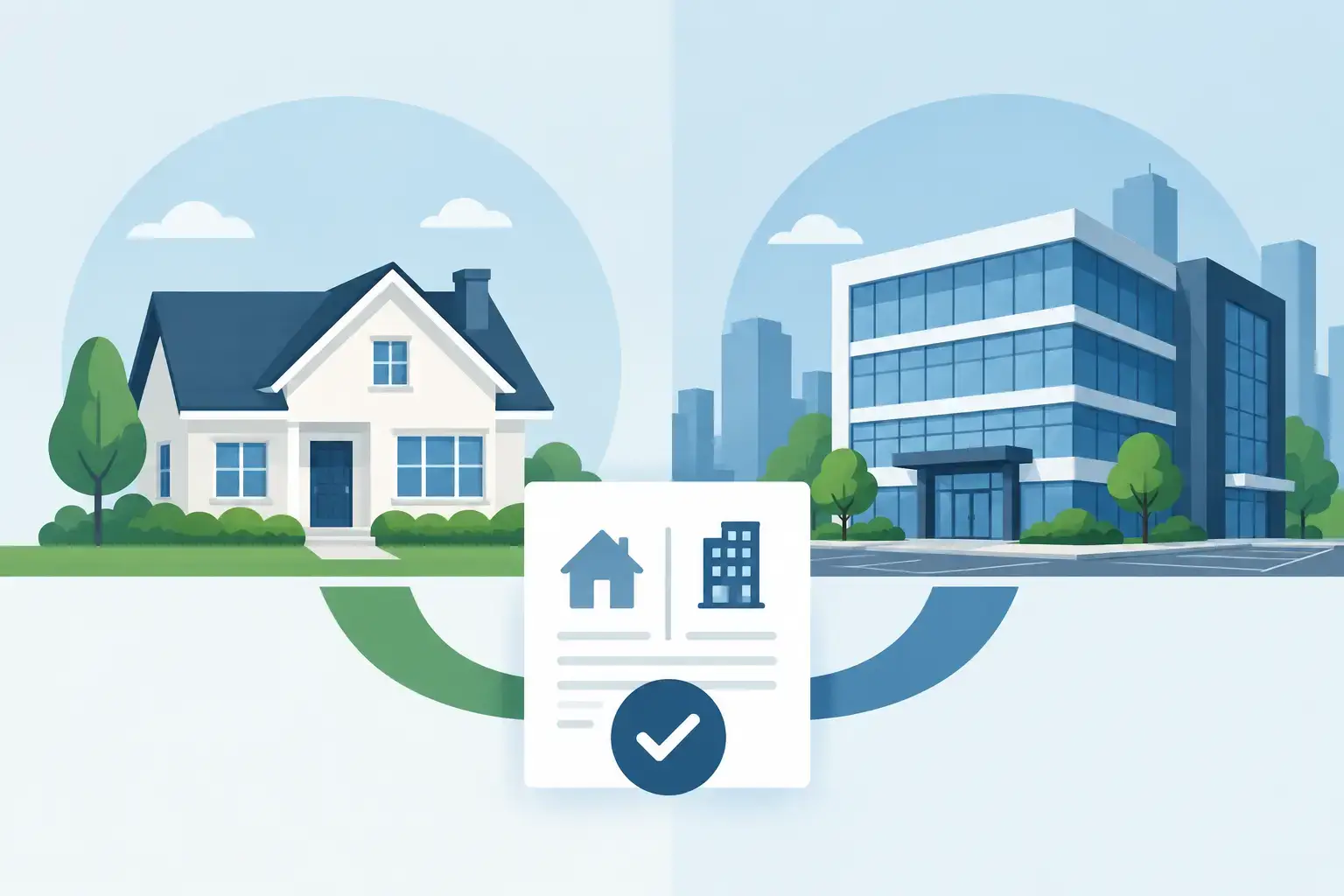
The lending solution needs to suit the job it needs to do. For a home purchase, a specialist residential mortgage may be appropriate. For an existing owner under repayment pressure, refinance or debt consolidation may create a clearer path forward. For a business owner buying premises, vehicles or equipment, commercial property finance or asset finance can be more suitable than putting every business expense into a home loan.
Choosing purely on the lowest advertised rate can be costly if the lender’s credit policy does not accept your circumstances. A product that looks cheap but leads to another decline is not a solution. The aim is to identify a lender that can reasonably approve your application, with repayments you can maintain and terms that support your next financial step.
Specialist home loans for adverse credit
A specialist bad-credit home loan is often the most relevant option where you are buying or refinancing residential property and mainstream lenders have declined the application. These loans are designed for borrowers whose credit file includes issues such as defaults, missed repayments, paid or unpaid credit events, court judgements, debt agreements or a previous bankruptcy.
The available loan amount, rate and deposit requirement will vary. A stronger application may be possible where the credit issue is paid, older, well explained and followed by a clean repayment record. Equity or a larger deposit can also improve lender options. Eligible buyers may be able to access high-LVR lending, potentially up to 95% of the property value, although this depends on the credit event, income, location and lender policy.
Specialist lending generally costs more than prime bank lending. Interest rates, risk fees and lender charges can be higher because the lender is taking on a more complex credit profile. That does not automatically make it a poor choice. For some borrowers, it is a practical bridge back to mainstream lending after they have rebuilt repayment history, reduced debts or increased equity.
When a specialist mortgage makes sense
This pathway can suit you if you have stable income, can show that loan repayments are affordable, and have a clear explanation for the adverse credit. For example, a default caused by illness, relationship separation, business disruption or an administrative dispute may be viewed more favourably when supported by documents and evidence that the issue is resolved.
It may not be the right move if the new repayment would stretch your budget further. Approval should not come at the expense of keeping the lights on, paying BAS obligations or meeting other essential commitments. A proper assessment should test your actual financial position, not just find a lender willing to say yes.
Refinance or debt consolidation for a cleaner structure
If you already own property, refinancing can be a useful bad-credit lending solution. It may allow you to replace several high-interest debts, overdue facilities or unsuitable loan arrangements with one secured loan and one regular repayment. This can improve cash flow and make your finances easier to manage.
However, consolidation is only helpful when it addresses the cause of the problem. Moving credit cards, personal loans and arrears into a mortgage can reduce the monthly repayment because the loan term is longer. It can also mean paying interest over more years. The loan must have a disciplined repayment plan, and you need to avoid rebuilding the unsecured debt once it has been cleared.
Equity is central to this option. A lender will consider the property value, existing mortgage balance, total debts to be refinanced and the new loan-to-value ratio, or LVR. If there is limited equity, options may be narrower, but a specialist lender may assess the deal differently from a major bank.
Alt-doc lending for self-employed borrowers
A poor credit file is often only one part of the application. Many self-employed borrowers are declined because their latest tax returns do not reflect their real current income, particularly after a recovery year, expansion or change in business structure.
Alt-doc lending can be appropriate where you can verify income through alternative documents rather than full financials alone. Depending on the lender, acceptable evidence may include BAS statements, business activity, accountant declarations, business bank statements or trading figures. The evidence still needs to be credible and consistent with the loan you are seeking.
Alt-doc is not a shortcut around affordability or credit assessment. It is a different documentation pathway. If you are a company director, contractor, tradesperson or investor with legitimate income that does not fit a standard payslip model, it can provide a more realistic route to property finance.
Lending after bankruptcy or a debt agreement
Bankruptcy discharge and Part 9 debt agreements can close off many mainstream options, but they do not necessarily prevent future property finance. Timing matters, as does your conduct since the event. Lenders will want to understand when the bankruptcy was discharged or debt agreement completed, whether any obligations remain, and how you have managed credit since.
A strong application may show stable employment or established business income, savings, a deposit or equity, and no recent unpaid arrears. Clear explanations matter here. A broker should present the facts honestly, without minimising past difficulties or leaving gaps that create lender concern.
The trade-off is usually a higher interest rate and more conservative lending terms at first. If the loan is maintained well, refinancing to a more competitive product may become possible later as your profile improves.
Commercial and asset finance can be separate solutions
Business owners should be careful about assuming every funding need belongs in a residential mortgage. Buying a warehouse, medical rooms, office, retail site or investment property may call for commercial property finance. Purchasing a ute, machinery, specialist equipment or vehicles may be better handled through asset finance.
These facilities are assessed on their own merits. A lender may consider business turnover, BAS statements, trading history, contract income, the asset being purchased and the strength of any property security. Separating business and personal borrowing can make cash flow easier to track and protect the purpose of each facility.
What to prepare before applying
The best way to improve your options is to present a complete, accurate application from the beginning. Have your identification, income evidence, recent bank statements, details of all debts and a copy of your credit report ready. If you are self-employed, gather BAS statements, financials where available and evidence of current trading.
You should also be prepared to explain each credit event in plain language: what happened, when it happened, whether it has been paid, and what has changed. Avoid applying with multiple lenders before you understand their policies. Repeated enquiries and fresh declines can complicate an already sensitive credit file.
A specialist broker can assess the credit history, income documents, LVR and loan purpose before matching the application to an appropriate lender. Finance Me works with borrowers who fall outside standard bank policy and manages the lender communication and paperwork through to settlement.
Choose the loan you can live with
The best bad-credit approval is not simply the first approval. It is the lending solution that gives you a realistic repayment, deals with the immediate need and leaves room for your financial position to improve. A paid default may point to a specialist home loan; usable equity may make refinance worthwhile; non-standard income may call for alt-doc; and a business purchase may need its own commercial facility.
There is no shame in needing a specialist pathway. The useful next step is an honest assessment of where you are now, what caused the credit issue and what a sustainable loan would allow you to do next.